For years, Adventure World in Shirahama was like a second home to our family. I can still see our son pressing his face against the cool glass, whispering to animals that couldn’t hear him. For nearly thirty-one years, that park was home to a famous panda family. When they returned to China last year, it felt like the end of a chapter, not just for the prefecture, but for families like ours who grew up alongside them.
When those pandas left, I wondered where we’d find that kind of connection again.
Then Mika came home from a solo trip to Ehime Prefecture and told me about an afternoon she’d spent at Tobe Zoo, just outside Matsuyama. Although there are many animals to see, she spent a lot of time at the lion exhibit.
“I met people there,” she said. And the way she said it made me realize she didn’t just mean polite hellos.
The Hour That Stretched
Mika had stopped to watch a lion named Kantaro. She wasn’t rushing. She wasn’t checking her phone. She was just standing there, observing.
That’s when a woman approached her and started talking about the lions as if they were old friends. She wasn’t a tour guide. She was a regular visitor who comes to Tobe Zoo often enough that she’s learned their personalities, their routines, the small details that only show up when you pay attention over time. She even runs a YouTube channel documenting their lives.
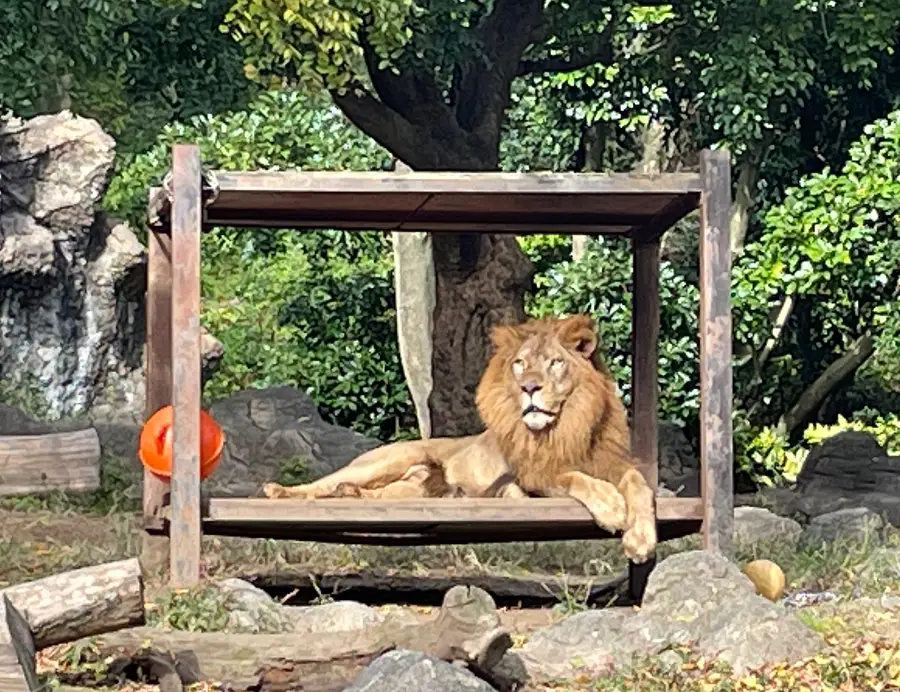
The woman told Mika stories about Kantaro that you’d never find on an exhibit plaque. How he was raised by humans and sometimes behaves as if he thinks he’s human too. They both laughed at that, but there was affection in it, not mockery. It was the kind of detail that only comes from watching someone, or something, long enough to notice patterns no one else sees.
Then one of the animal caretakers stopped by. Not because Mika asked a question, but because this is apparently what happens at Tobe Zoo when you linger. The caretaker shared more about the lions, speaking with the ease of someone who genuinely loves talking about the animals in her care.
By the time Mika left, neither of these people felt like strangers anymore. They’d talked like friends who share a common love. And Mika has subscribed to the YouTuber’s channel because she wanted to keep following these lions’ lives even after leaving.
When she told me this story, I realized something: she hadn’t just visited a zoo, she’d entered a community.
A Lioness Who Came Home
Part of what made Mika stay so long was Clay’s story.
Clay was born at Tobe Zoo. After being weaned, Clay was sent to Maruyama Zoo in Hokkaido because of a contract for the transfer of a lion. The folks in Sapporo were excited to get a lion and anxiously watched the cub grow. They waited for Clay’s mane to grow, the way it does when male lions reach maturity. It never came.
After well over a year in Hokkaido, Clay showed none of the behaviors or physical changes expected of a male. In order to get confirmation, Clay was given a blood test that revealed the truth. Clay was a lioness.

What struck me about this wasn’t the mistake. It was the response. There was no embarrassment. No quiet dismissal. Clay was returned to Tobe Zoo, her birthplace, where she could live comfortably without being forced into a role she was never meant to fill.
It’s a small story, but it says something about the people who run this place. They listened. Even when it meant admitting they’d been wrong.
A Polar Bear Raised in an Apartment
Then there’s Peace.
Born in 1999, she weighed only 680 grams. Her mother couldn’t care for her, and her twin didn’t survive. A keeper named Atsuhiro Takaichi stepped in to become her surrogate parent.
For the first 110 days of her life, Takaichi-san took Peace home every single night. She had her own room in his apartment, which he shared with his wife and two children. His children weren’t allowed to touch her because her immune system was too fragile. He disinfected himself constantly before entering her room.
The apartment building didn’t allow animals, but Takaichi san and his family agreed not to tell anyone. With feedings every three hours, he felt he had no choice. It was winter, but Japan was still too warm for a polar bear cub, so they kept the window open. The colder air came in, helping Peace become more comfortable. That season was tough for the family, though, and Takaichi san suffered from bouts of congestion and sickness.
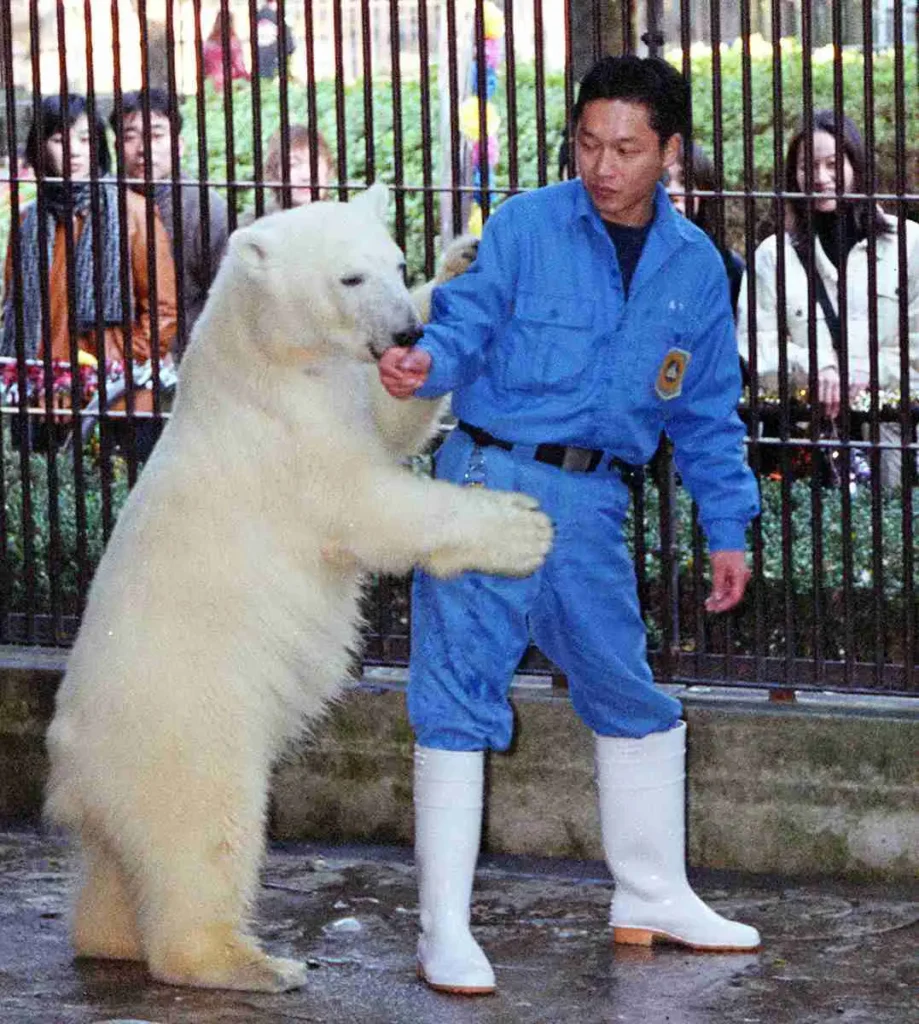
When Peace was finally strong enough to stay at the zoo full-time, she was given the cold exposure she needed to thrive.
When Mika stood in front of Peace’s enclosure, she said she could feel that history. That “kizuna,” that bond. It wasn’t in anything dramatic. It was in the way Peace moved, how calmly she responded to familiar voices. It felt like this animal wasn’t just being displayed. She was being known.
Why I'm Telling You This
I haven’t been to Tobe Zoo yet. This entire story comes from what Mika brought home. But that’s exactly why I’m writing to you about it.
She didn’t go there knowing what to expect. She went because of her love for animals. She stayed because the animals were compelling and the people were generous with their time and their stories. She left feeling like she’d been part of something rather than just observing it.
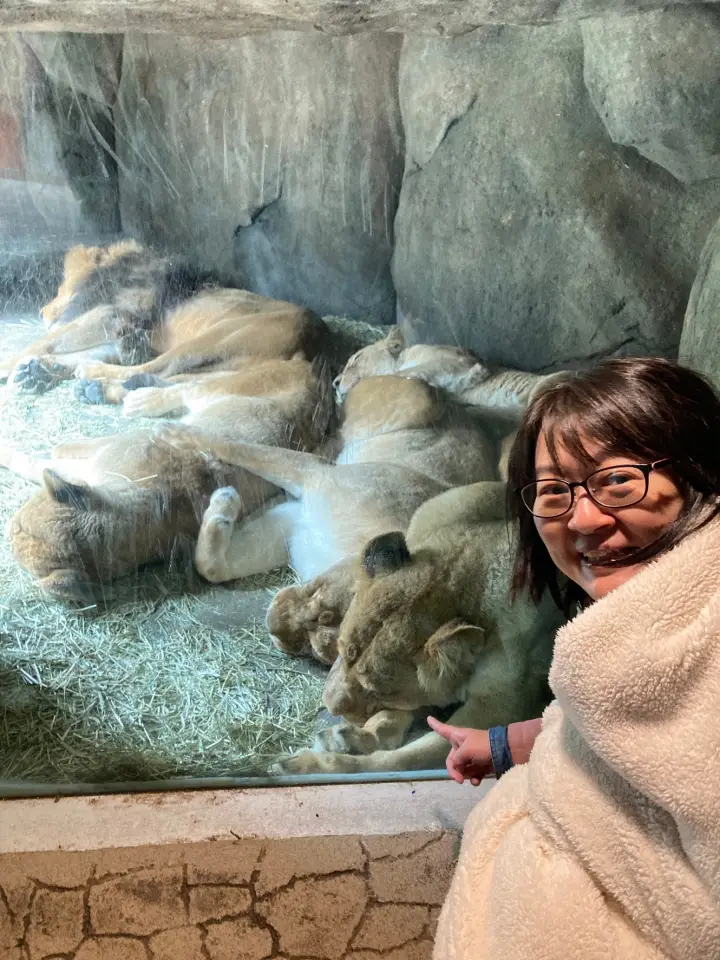
In a recent survey, some of you told me that what you value most when traveling is personal connection. Not just seeing a place, but feeling connected to it and to the people who live there.
That’s what Tobe Zoo offers, if you’re willing to slow down long enough to let it happen.
If you find yourself in Shikoku, consider spending an afternoon there. Don’t rush through the exhibits. Stand at the lion enclosure longer than feels necessary. See what happens. You might meet a YouTuber who’s been documenting these animals for years. You might meet a caretaker who loves talking about the polar bear he helped raise. You might just watch Kantaro long enough to see why people say he thinks he’s human.
Sometimes the places we don’t plan to visit are the ones that stay with us longest. Not because of what we saw, but because of who we met and what we learned when we stopped moving long enough to listen.