There is a moment in Japan every spring when time feels softer.
Train platforms slow. Office workers linger outside a little longer than usual. Parks fill, not with urgency, but with people sitting still and looking up.
If you have visited Japan before, you have likely seen cherry blossoms. But many travelers leave without understanding what they felt.
I didn’t understand either. Not for years.
I sat in circles drinking green tea while conversation flowed around me in a language I couldn’t follow. I smiled when others laughed, not knowing what was funny. I got on the wrong train and felt the weight of not belonging, of being present in a place but separate from it.
Then one spring, something shifted.
I was sitting under blooming cherry trees with friends. The conversation was still mostly beyond me. But this time, I wasn’t translating. I wasn’t performing like I understood. I was simply watching petals fall, the same way everyone else was.
And for the first time, I felt included.
Not because I had mastered the language. Not because I had earned insider status. But because cherry blossoms ask nothing of you except attention.
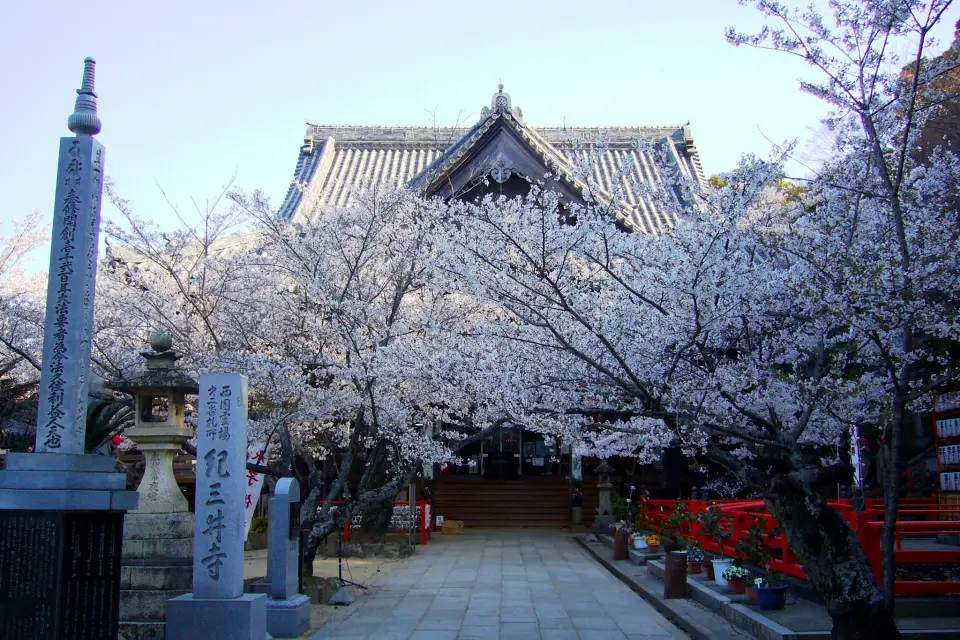
Why Cherry Blossoms Are Not Just Flowers
Cherry blossoms are beautiful, but beauty alone does not explain why Japan pauses for them.
What gives them weight is their brevity.
A full bloom can disappear in days, sometimes overnight with rain or wind. Everyone knows this. And instead of resisting it, Japan accepts it.
There is a Japanese sensibility that recognizes impermanence not as something tragic, but as something meaningful. Cherry blossoms train the heart to notice what will not last and to value it precisely because it will not.
This is why people do not rush through blossom season. They slow down for it.
Why Cherry Blossom Season Feels Emotionally Charged
Cherry blossoms bloom during a period of transition.
The school year begins. New employees join companies. Families move. Farewells quietly happen.
So when people gather under blooming trees, they are not only welcoming spring. They are marking change.
This is why cherry blossoms appear so often in farewell scenes, letters, and songs. They are not about romance alone. They are about standing at a threshold.
What People Actually Do Under the Trees
Cherry blossom viewing, known as hanami (花見), is deeply social.
Friends and families spread picnic sheets. Coworkers gather after work. Food and drinks are shared. Conversations stretch longer than usual.
The point is not efficiency or even sightseeing. The point is being together while something fleeting unfolds overhead.
At night, the atmosphere shifts. Lit trees, called yozakura (夜桜), feel quieter and more reflective. Places like Ueno Park in Tokyo or Philosopher’s Path in Kyoto take on a dreamlike calm after dark.
In areas such as Nara’s Mount Yoshino, blossoms move across the mountains in stages, extending the season and the emotional arc for weeks.
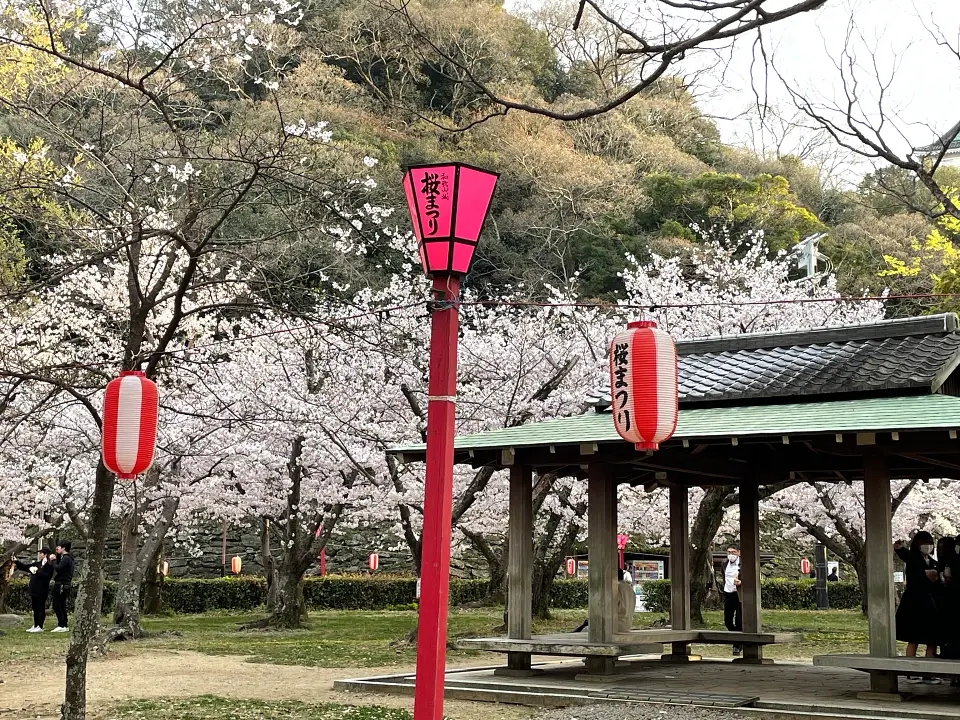
Why This Matters for Your Trip
Here is what I learned sitting under those trees.
Belonging in Japan is not about mastering customs or speaking without an accent. It is about shared attention. And hanami is one of the few experiences where travelers are invited into that attention from the very beginning.
You do not need to understand every word spoken around you. You do not need years of context. You simply need to sit, to notice, and to let the moment unfold.
If you visit Japan during cherry blossom season and move through it too quickly, you may leave with photos but miss the feeling entirely.
Slow down instead. Sit where locals sit. Accept that peak bloom cannot be controlled or planned around perfectly. When you do, you experience something rare in travel: a shared awareness that the moment will pass.
That awareness is what stays with people long after the petals fall.
Where to Find This Feeling
For the past month, I have been making short videos on YouTube about Japan. This week, I am releasing a seven-day series on my top places to view cherry blossoms.
Each video focuses on one location or context, why it is special, and what the experience feels like. Whether you are visiting for the first time, returning to Japan, or looking for somewhere quieter than the famous spots, there’s something there for you.
If a spring trip is on your mind, these will help you find the places where you can sit, slow down, and feel what I felt under those trees.
You can watch the series here:
Cherry blossoms do not demand attention. They disappear whether we notice them or not.
But once you understand why Japan pauses for them, you may find yourself pausing too.