My wife sent me this message through the Line app a couple days ago, and I translated it for you exactly as she wrote it.
“It feels like an abandoned inn, but it must have been a really high-end place originally. I mean, just look at that spacious Japanese-style room with the stunning ocean view and that hot spring. ♨️ Right now, the only staff member is a woman at the front desk (not sure if she’s the owner or a volunteer), and volunteers handle everything else, from caring for the cats to cleaning the guest rooms. There’s even someone who comes all the way from Wakayama for a week every month to volunteer. It seems like they’re keeping the place running by hosting guests, all to maintain a home for the cats. It really makes you marvel at the world… so much is going on, and it shows that humans can still do good for nature and wildlife. My heart is so full. It might be a bit run-down, but to get this spectacular view plus two meals and an overnight stay for less than 10,000 yen ($50-$60 US)… I tell you, for anyone who loves cats, the ocean, and hot springs, this place is truly one of a kind. ✨✨✨”
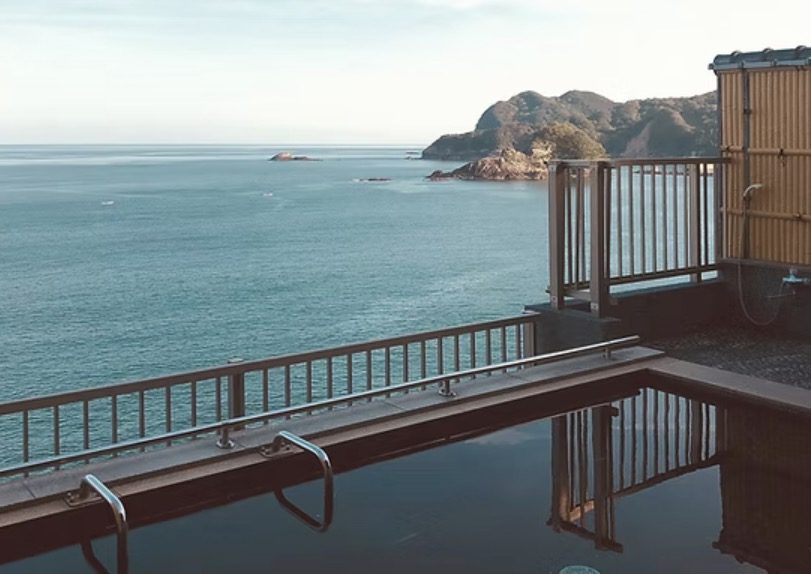
She stayed for a night at the Ebisu-do Onsen Hotel Shiroi Todai. It’s located in Tokushima Prefecture, on the island of Shikoku.
It’s obvious from her note that nobody running this place is trying to get rich. The mission is to take care of the cats, and hosting guests is how they pay for it. That kind of arrangement, a business that exists to fund something else entirely, is more common in Japan than most visitors realize, especially once you get away from the cities. The hard part isn’t believing places like this exist. It’s finding them.
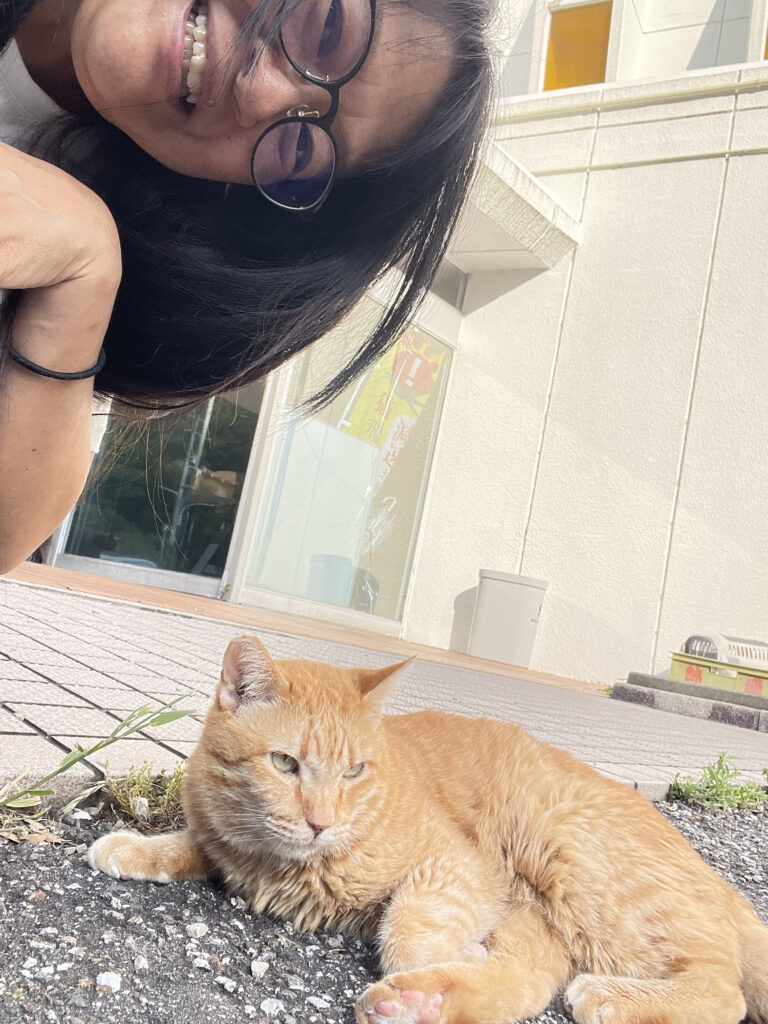
So here’s where I’d start. Most places like Shiroi Todai don’t show up when you search in English, and they often don’t show up on the big international booking sites either, not because anyone’s hiding them, but because nobody on staff has the time or reason to build out an English listing for forty foreign guests a year. The fix is to stop searching by place name and start searching by what you’re actually hoping for. Try a prefecture name plus the thing you care about, in Japanese if you can manage it, even if you’re feeding it through a translator first. Onsen and cats. Onsen and ocean view. You’ll be surprised what surfaces once you stop looking for hotels and start looking for stories.
Another place to look is the local tourism association for whatever town or region has caught your eye. Almost every municipality in Japan, no matter how small, has one, usually called a “kanko kyokai” (tourist association), and they tend to know about the small, family-run, slightly worn-around-the-edges places that never make it onto the review sites.
In my wife’s case, she learned about this place from a Japanese YouTube channel she follows.
And be ready for the possibility that you can’t book it the way you’d book a hotel. A lot of these places take reservations by phone, sometimes only in Japanese, which sounds like a dealbreaker until you remember that a phone call is just a translation app away, or that your hotel’s front desk will often make the call for you if you ask. That extra step is part of why these places have stayed the way they are.
And pay attention to the price. When you hear dinner, breakfast, an overnight stay, and a hot spring with an ocean view came to less than 10,000 yen, that’s not a mistake. That’s what it costs when a place isn’t trying to make money. It’s trying to stay open.
This is the conviction I keep coming back to. Tokyo, Kyoto, and Osaka aren’t going anywhere, and I’m not telling you to skip them. But there’s another Japan running quietly outside of the Golden Route, funded by people who are doing this for reasons that have nothing to do with tourism. Sometimes it’s cats. Sometimes it’s an ocean view nobody’s marketing. Either way, it’s there, and it’s more reachable than it looks.