I was driving through the Wakayama countryside, feeling that realization that I was in the middle of nowhere. I knew I would be back home soon, convinced there was nothing left to notice.
Then, I stopped.
Against the deep green of a rice field, there they were: two pure white herons, motionless and elegant. They looked like sculpted porcelain. I reached for my phone to take a picture, but the sunlight reflecting off my phone startled them. Wings beat hard against the air, working to gain altitude. An ungraceful scramble at first.
Then, the effort ceased, replaced by breathtaking flight. They soared away like silk ribbons on the wind.
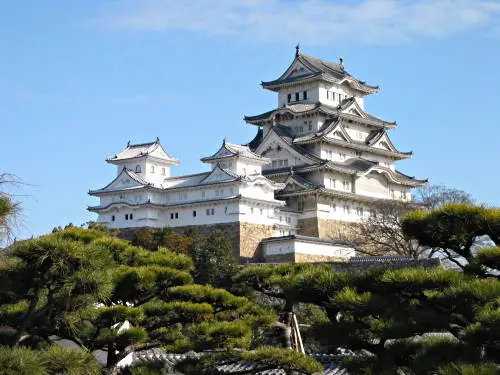
Himeji Castle is nicknamed the “White Heron Castle,” and after seeing those birds struggle into flight, I finally understood why.
If you’re visiting Kansai, you’ll see Osaka Castle on every itinerary. It’s convenient, it’s famous, it’s right there. But here’s what I learned: convenience isn’t the same as connection. Let me tell you about Himeji instead.
Although several years have passed since my first photo of Himeji Castle, it still stands out as the largest, best-preserved feudal castle in Japan and has earned a UNESCO World Heritage designation.
The White Heron Castle
Getting there takes work. It’s a 40 to 50-minute train ride from either Osaka or Kyoto. When you arrive and start walking the grounds, you’ll immediately notice the difference. This castle endured.
The wooden beams inside aren’t modern replacements. When you run your hand along them, they’re smooth, worn down by centuries of other hands doing exactly what you’re doing. I touched one of the main support columns on the third floor and realized: this wood is cracked, but it’s held strong for 400 years.
As you climb higher, the stairs get narrower and steeper. On one of the middle floors, I paused at the small cutouts in the walls where guards once stood watch and archers aimed at intruders below. The castle was built not just to impress, but to defend.
By the fifth floor, my legs were burning. By the sixth, I was questioning myself: Why am I doing this?
When I finally reached the top, I didn’t look out at the view right away. I turned and looked back down the steep, narrow staircase I’d just climbed. My legs were burning. The wooden steps disappeared into the shadow below. That’s when it hit me: this structure has stood for 400 years because someone put in this much effort, this much precision, this much care, to build it right.
For 1,050 yen, you can visit both the castle and the surrounding Japanese gardens. Wear walking shoes. Expect a workout. Accept that the climb will be hard.
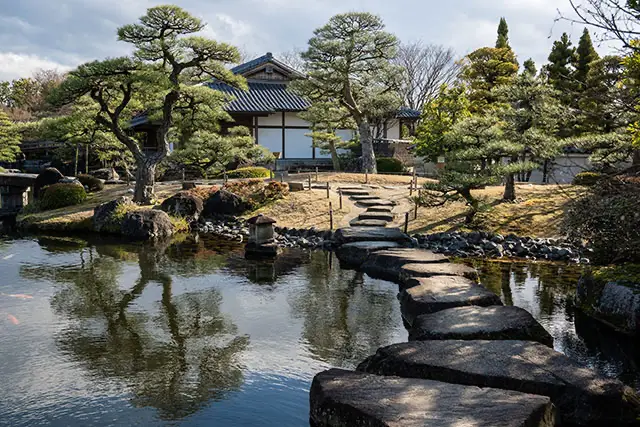
Koko-en is a beautiful Japanese garden on the grounds of Himeji Castle. It is worth the visit by itself, but for only 50 additional yen (about 35 cents), it is included in the entrance cost to Himeji Castle.
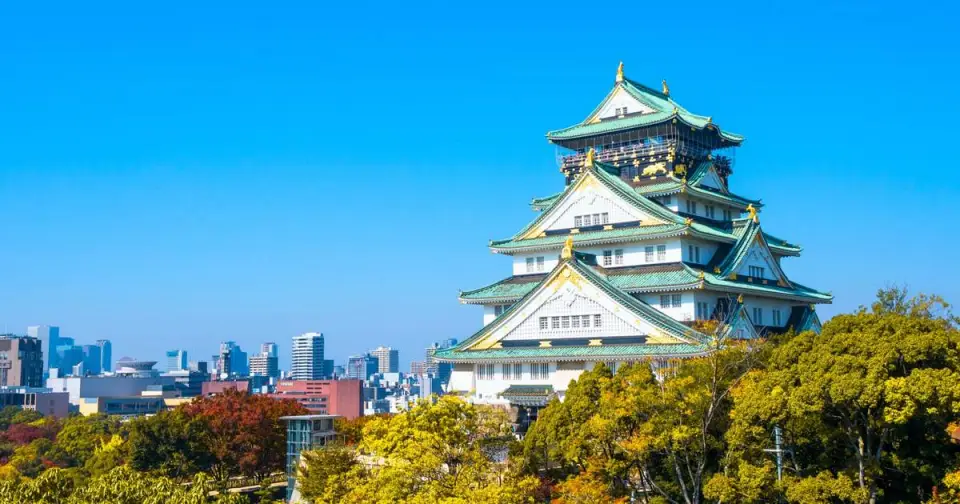
It’s right there, often a quick train ride away for tourists staying in Osaka. It’s beautiful from the outside. Stunning white walls, imposing moats. Perfect for photos.
If you’re hoping for the same connection I described at Himeji, let me save you the trip: you won’t find it.
Osaka Castle has been rebuilt and renovated multiple times after destruction and damage from three wars and weather incidents.
The current structure is a modern museum inside a concrete shell. When I walked through, the stairs were too even, too easy. I learned about history from plaques and displays that I could have read on a website. It ended, predictably, with a gift shop where I felt obligated to buy overpriced trinkets.
It felt like history, cleaned up and packaged for consumption.
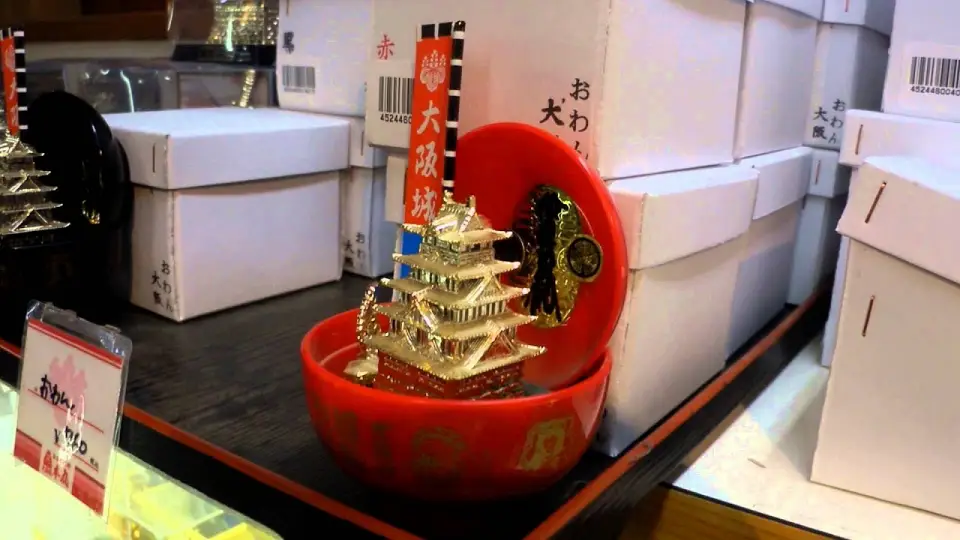
For tourists looking for souvenirs, the Osaka Castle gift shop has many items available for sale.
Choose the Effort
Skip Osaka Castle.
Go to Himeji. Plan the day trip. Wear your walking shoes and bring 1,050 yen for the combined castle and garden ticket. Accept the steep stairs and the burning in your legs.
That effort, the train ride, the walking, the climb, is what makes the memory stick. Just like those herons had to beat their wings hard before achieving grace, we sometimes have to put in the work to achieve a meaningful connection.
That’s what authenticity truly means: it’s not just about a building surviving centuries; it’s about our willingness to put in the work to meet history on its own challenging, beautiful terms.
So when you’re planning your Kansai trip and Osaka Castle keeps popping up on your itinerary, skip it. Take the train to Himeji instead. Your legs will remember the climb long after you’ve forgotten another museum gift shop.